

Understanding the cultural significance of gambling across different societies
The Historical Roots of Gambling
Gambling has been part of human culture for thousands of years, with its origins tracing back to ancient civilizations. Archaeological findings suggest that various forms of gambling existed in Mesopotamia, Egypt, and China, where games of chance were associated with rituals and societal bonding. These early practices often incorporated elements of spirituality, as games were perceived as a way to communicate with the divine and influence fate. Today, you can find reliable platforms that prioritize secure transactions, such as a fast payout casino, making it easier for modern players to engage in these age-old traditions.

In ancient Rome, gambling was not only a pastime but also a critical aspect of social gatherings. The Romans engaged in betting on gladiatorial contests and chariot races, which allowed them to experience a sense of community and competition. The acceptance of gambling varied across different periods, with lawmakers often attempting to regulate or ban it due to its potential to lead to moral decay and financial ruin.
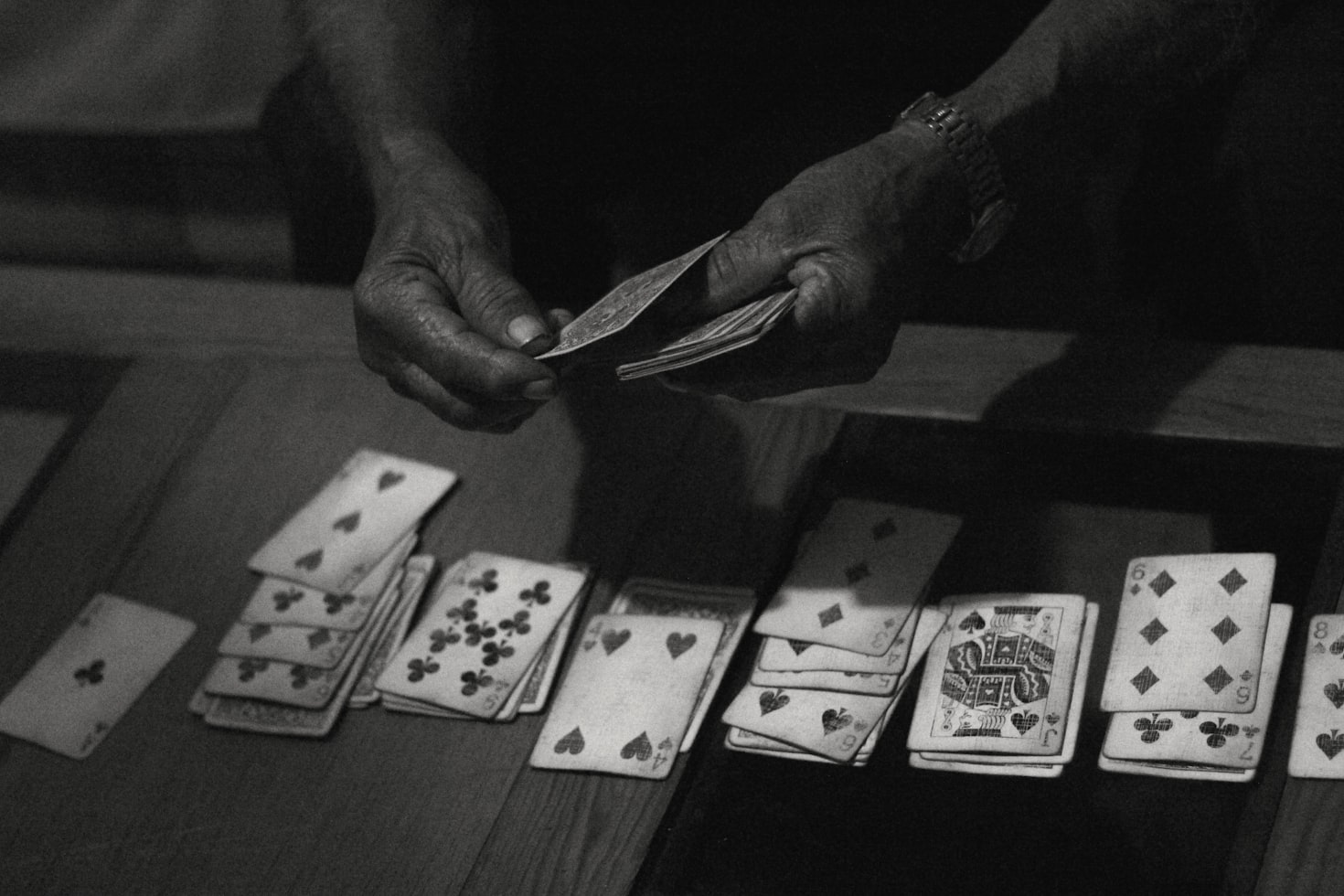
As societies evolved, gambling adapted to changing cultural norms and technological advancements. The development of card games in the Middle Ages and the introduction of lotteries in the Renaissance further embedded gambling into social structures. These historical contexts laid the groundwork for modern gambling practices and reveal how intertwined gambling has been with human civilization’s social fabric.
Gambling as a Form of Social Interaction
In many cultures, gambling serves as a crucial means of social interaction, fostering relationships among individuals. Casinos, poker nights, and betting events often act as social hubs where people gather to engage in friendly competition and camaraderie. This communal aspect of gambling provides an outlet for socialization, allowing individuals to bond over shared experiences and stories, ultimately contributing to a sense of belonging.
The significance of gambling as a social activity can be observed in cultures worldwide. In places like the United States, poker games often occur in private homes, emphasizing the personal relationships that develop during these events. Similarly, in Asian cultures, Mahjong is not merely a game of chance but a social occasion that brings families and friends together, emphasizing connection and collaboration over competition.
Additionally, the rituals and traditions surrounding gambling events can further enhance their social importance. From the excitement of Super Bowl betting parties in the U.S. to festive celebrations surrounding the Lunar New Year in Asia, these events reinforce cultural identities and community bonds. Thus, gambling transcends mere financial stakes, playing a vital role in maintaining social networks.
The Psychological Aspects of Gambling
The psychological implications of gambling are profound, affecting individuals differently across various cultures. For many, gambling provides an escape from daily life, offering a thrill that engages emotions and fosters excitement. This psychological allure is often amplified in cultures that celebrate luck and fortune, with individuals attributing their experiences to fate or divine intervention.
Moreover, the thrill of winning—whether big or small—can lead to a cycle of behavior where individuals continuously seek that rush, often leading to problematic gambling behaviors. In some cultures, gambling is seen as a rite of passage or a sign of bravery and risk-taking, which can further complicate perceptions surrounding its psychological effects. This phenomenon highlights how cultural norms can shape attitudes toward gambling and influence individual experiences.
On the other hand, many societies also recognize the darker side of gambling. Issues such as addiction, financial strain, and social isolation arise in contexts where gambling is glamorized. This duality of gambling as both a source of joy and potential despair showcases the complexity of its psychological impact on individuals and society as a whole.
Cultural Variations in Gambling Practices
Across different cultures, gambling practices reflect unique values and traditions. For instance, in many Indigenous cultures, gambling has historical significance linked to rituals, often involving games that symbolize hunting or warrior skills. This perspective elevates gambling from a simple pastime to a cultural expression that encapsulates identity and heritage.
In contrast, Western societies tend to approach gambling more commercially, viewing it as a lucrative industry. Las Vegas, for example, epitomizes this commercialized approach, where gambling is intricately tied to entertainment and tourism. Here, the experience is designed to maximize profit, often overshadowing the cultural aspects of gambling found in other societies.
Some cultures also adopt unique gambling games and systems, influenced by local customs and economic conditions. In India, for instance, traditional games like Teen Patti are played during festivals, integrating cultural celebration and gambling into one experience. These variations highlight how gambling is not a monolithic practice but rather a diverse set of traditions that reflect the values of different societies.
The Future of Gambling in a Globalized World
The globalization of gambling is reshaping its cultural significance in various societies. With the rise of online gambling platforms, individuals are now able to engage with global gambling cultures from the comfort of their homes. This accessibility has led to a blending of traditions, where individuals can experience games and practices from different cultures, potentially enriching their understanding of gambling.
However, this global expansion also raises questions about cultural appropriation and the dilution of traditional practices. As mainstream gambling trends influence local customs, there is a risk of losing the cultural essence that once defined these practices. This delicate balance poses a challenge for societies as they navigate the modern landscape of gambling while striving to preserve their unique cultural identities.
In this evolving context, awareness and education surrounding responsible gambling become crucial. As globalization allows for greater access, individuals must be informed about both the cultural and psychological implications of gambling. This understanding can foster a healthier approach to gambling, respecting both its entertainment value and the cultural nuances that enrich its significance.
Website Overview
This article provides a comprehensive exploration of the cultural significance of gambling across different societies. From its historical roots to its psychological effects and the diverse practices that exist worldwide, the discussion reveals the complexity of gambling as a cultural phenomenon. It emphasizes how gambling is not just a matter of chance but a reflection of human connections, cultural identities, and societal values.
As we continue to explore the nuances of gambling, it’s essential to recognize the ongoing evolution of these practices in a globalized world. The insights shared in this piece serve as a foundation for further discussions on responsible gambling and the cultural richness surrounding this age-old pastime. Understanding the diverse perspectives on gambling can enhance our appreciation of its role in shaping human experiences across different cultures.
